
Harnessing the power of conscious mindfulness

Somatic awareness
Developing interoceptive awareness of physical tension signals helps release stored somatic memory and emotional trauma.

Emotional intelligence
Mastering emotional granularity builds resilience against daily psychological stressors and prevents emotional flooding.

Cognitive reframing
Shifting maladaptive cognitive schemas unlocks creative problem-solving and enhances mental flexibility.
Understanding the mechanisms of neuroplasticity
Building sustainable habits for success

Spiritual awakening phases
Navigating the stages of consciousness
The journey toward self-transcendence begins with questioning norms. This liminal space of introspection dissolves ego structures, creating space for non-dual awareness and a profound sense of interconnectedness.

Dissolving the ego’s rigid barriers

Integrating shadow aspects of personality

Achieving a state of transcendence
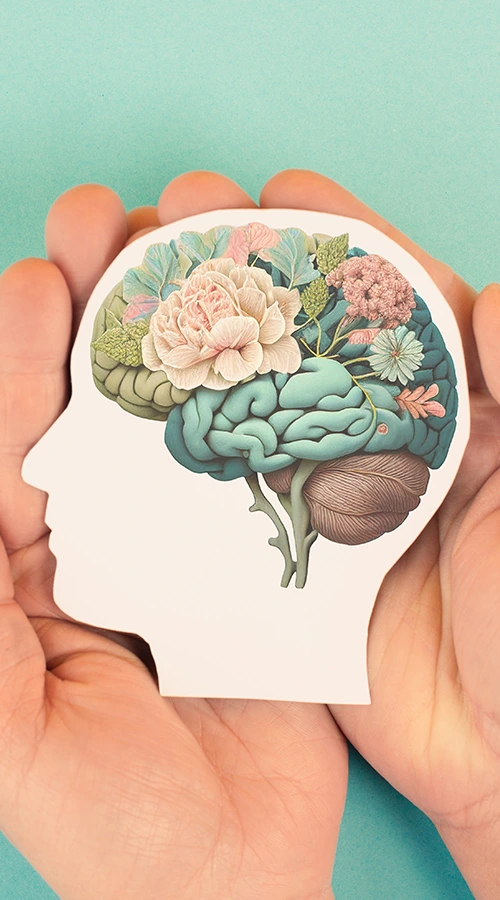

Mental wellbeing focus
The science behind emotional regulation
Emotions are measurable physiological events involving neurotransmitters like serotonin and dopamine. Observing these tides without reaction empowers the prefrontal cortex to modulate the amygdala’s threat response. This conscious pause, or metacognitive awareness, creates a window where rational choice replaces instinct, reducing generalized anxiety.
Holistic health approach
Integrating body, mind and spirit
Functional medicine treats the individual as a unified system where physical symptoms reflect psychological states. Addressing adrenal fatigue, for example, requires examining nutritional intake, sleep hygiene, and unresolved conflicts to achieve sustainable vitality.
The crucial role of sleep hygiene
During deep REM sleep, the glymphatic system flushes metabolic waste. Aligning with a consistent circadian rhythm optimizes this neural detoxification, enhancing cognitive sharpness and emotional stability.
Nutrition and the gut-brain axis
The enteric nervous system communicates directly with the brain via the vagus nerve. Consuming fermented foods and prebiotics supports the microbiome, which produces the majority of the body’s serotonin.
Breathwork for nervous system regulation
Controlled breathing exercises activate the vagus nerve, improving heart rate variability (HRV). Techniques like box breathing shift the body from sympathetic arousal to a parasympathetic state of rest and recovery.

Building strength through daily movement
Incorporating functional movements each day improves endurance, mobility, and overall physical resilience, helping the body adapt to daily stressors.

Mindful exercise techniques for optimal performance
Focusing on proprioception and controlled breathing strengthens mind-muscle connection and muscle memory, enhancing bio-mechanical efficiency during workouts.
Visualizing progress and goals
Clarifying personal fitness objectives
Setting SMART (Specific, Measurable, Achievable, Relevant, Time-bound) goals acts as a compass for training. This intrinsic motivation sustains consistency, turning challenges into milestones and fostering longevity.